Table Of Content

To save space and simplify construction of these raised systems, many new approaches have developed including the use of plastic or concrete chambers as well as other innovations. This resulted in the switch from dry wells to leach fields, using larger “footprint” areas much shallower into the ground. The tanks installed from 1960 through the mid- to late 1970s held up pretty well.
Improved Aeration Systems
Additionally, fiberglass tanks did not require complex reinforcement structures like concrete tanks, further streamlining the installation process. Fiberglass septic tanks were known for their exceptional durability and longevity. Unlike concrete tanks that were prone to cracking and corrosion, fiberglass tanks could withstand harsh environmental conditions without compromising their structural integrity. This meant that homeowners could rely on their septic systems for many years without the need for frequent repairs or replacements. The majority of septic tanks are rectangular in shape and measure around 5 feet by 8 feet.
Maintenance and Upkeep of 1975 Septic Tanks
‘By the grace of God’: Crane crashes into Franklin home after sinking into old septic tank - Boston 25 News
‘By the grace of God’: Crane crashes into Franklin home after sinking into old septic tank.
Posted: Wed, 28 Jun 2023 07:00:00 GMT [source]
The septic pipes transport wastewater from the home to the septic tank, which subsequently transports the wastewater to the chambers. The design introduced innovative techniques to increase the capacity of the tanks and improve waste breakdown processes. They incorporated improved materials and construction methods to enhance durability and performance. Additionally, the 1970s septic tank design took into account factors such as soil conditions and drain field requirements. 1970s septic tank design focused on durability and functionality, incorporating concrete construction for longevity and efficient waste management systems. The design aimed to address environmental concerns by providing safe and effective containment and treatment of household sewage.
All About Septic Tanks
It soon became obvious that the cesspool often couldn’t handle the extra load of the wastewater along with the waste. Minhazul Abedin is a highly skilled expert in the field of home improvement. With an extensive background and experience in various aspects of construction and renovation, he has established himself as a trusted authority in creating beautiful and functional living spaces.

This increase in size necessitated an increase in septic tank size which is why most modern homes have a 1000-gallon septic tank. Size is another important difference between modern septic tanks and older ones. 1970s septic tanks were primarily built using concrete although precast metallic tanks were also used. The disadvantage of using an extra chamber instead of a more standard drain field is that it increases the likelihood of further maintenance being required in the future. A grease interceptor is a huge tank that may be situated outside of the structure on the ground level.
Regular pumping ensured that accumulated solids and scum were removed from the tank, preventing clogs and maintaining the system’s efficiency. Furthermore, homeowners were encouraged to perform routine maintenance tasks, such as cleaning filters, inspecting the drainage field, and checking pump performance, to identify and address any issues promptly. Sand filter systems allow waste water to travel from a septic tank to a pump chamber, and then from the pump chamber to the sand filtering system. The sand filtration system is essentially a big concrete box that is filled with sand to filter out contaminants.
Firefighters in Fontana rescue woman from a 25-foot-deep hole in old septic tank - San Bernardino County Sun
Firefighters in Fontana rescue woman from a 25-foot-deep hole in old septic tank.
Posted: Thu, 08 Feb 2024 08:00:00 GMT [source]
In some soil conditions, it may be necessary to maintain an even larger space between the crops and the drainage field. If you have an older tank, effluent filters are a great feature that may be installed by your local pumper or other septic system specialist. My main worry is that I want to keep the number of residents as low as possible to avoid the septic tank overflowing during the sale of my property with owner financing. Look for the 4-inch sewer that exits the crawl space or basement, and locate the same spot outside the home.
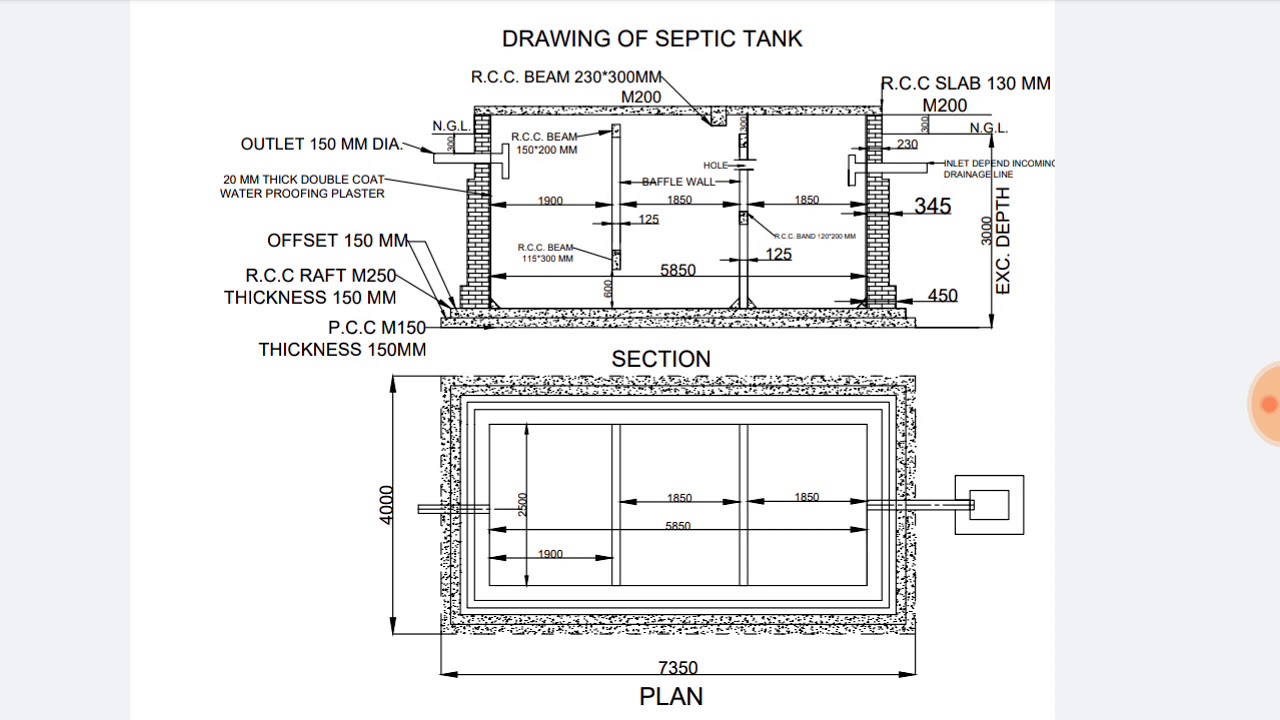
These improvements included innovations in tank size, shape, and materials used. The 1970s marked a significant period in the development of septic tank design. In this article, we will delve into the unique features and innovations that characterized septic tank design during the 1970s. Unless you reside in a septic-equipped home, it is better not to have a trash disposal. The increased volume of solid waste material will necessitate more frequent septic tank pumping and may erode the drain field, resulting in sewage back-ups in the future. Those who live in homes with septic systems may find that they must be extra cautious about what they flush down the toilet.
Automation played a significant role in simplifying septic tank maintenance during the 1970s. Systems were developed to automate tasks such as pumping schedules, filter cleaning, and sludge removal. These automated processes reduced the reliance on manual intervention, ensuring that maintenance tasks were performed regularly and consistently, thereby extending the lifespan of the septic system. Septic tanks that were installed in the 1970s didn’t have much for technology – they were merely concrete or metal tanks that were used as an onsite waste management system.
The introduction of advanced treatment technologies, such as enhanced filtration and disinfection methods, helped reduce the environmental impact of septic systems. Additionally, the implementation of stricter regulations ensured that septic systems were designed and operated in a manner that minimized pollution and protected water resources. The wastewater (also known as effluent) is routed from the septic tank to the drain field in this location.
Septic tanks are made from steel, concrete, fiberglass, or polyethylene. Steel tanks tend to rust, have a shorter service life, and are only found in older systems. Concrete tanks are durable, but occasionally can crack and leak wastewater. Following the passage of wastewater into the soil, organisms in the soil treat the effluent before it percolates downward and outward, eventually entering ground or surface water. Flooding caused by clogged drains or septic tanks (often a black liquid with a disagreeable odor) 3) Fixtures that drain slowly In the plumbing system, there are grinding noises.


No comments:
Post a Comment